How to Implement a Warehouse Management System in 2026
Published on 2026-04-03
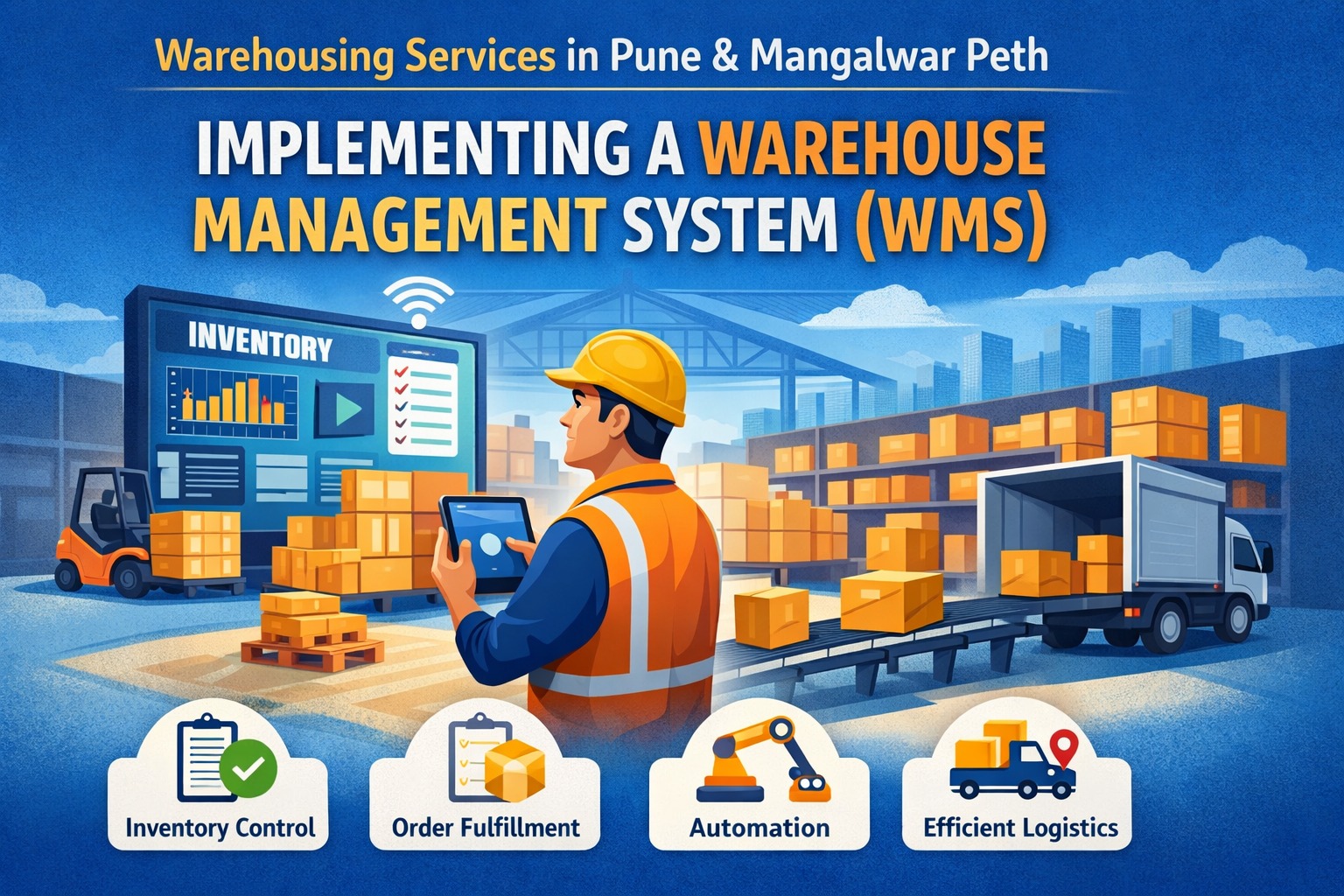
5 min readIn today’s fast-paced logistics environment, efficient warehouse operations are essential for business success. Whether you run a small business or a large enterprise, adopting a Warehouse Management System (WMS) can significantly enhance productivity, accuracy, and customer satisfaction. Businesses looking for warehousing services in Pune and warehousing services in Mangalwar Peth are increasingly adopting WMS to streamline their supply chain processes. A Warehouse Management System (WMS) is a software solution designed to optimize and manage warehouse operations, including inventory tracking, order fulfillment, picking, packing, and shipping. Why Implement a WMS? Implementing a WMS offers numerous benefits that can transform your warehouse operations: 1. Improved Inventory Accuracy Manual inventory management often leads to errors. A WMS ensures real-time tracking, reducing discrepancies and improving stock visibility. 2. Enhanced Efficiency Automation of tasks like picking, packing, and shipping reduces manual labor and speeds up operations—crucial for businesses relying on warehousing services in Pune. 3. Better Space Utilization A WMS helps optimize warehouse layout and storage, ensuring maximum use of available space. 4. Faster Order Fulfillment With streamlined workflows, businesses can process orders quickly, improving customer satisfaction. 5. Cost Reduction By reducing errors, labor costs, and operational inefficiencies, a WMS lowers overall expenses. Step-by-Step Guide to WMS Implementation Successfully implementing a Warehouse Management System requires careful planning and execution. Below is a step-by-step guide: Step 1: Analyze Business Requirements Start by evaluating your current warehouse processes. Identify pain points such as inventory inaccuracies, delays, or inefficiencies. Businesses using warehousing services in Mangalwar Peth should assess their specific operational needs. Step 2: Set Clear Objectives Define what you want to achieve with a WMS. This could include improving inventory accuracy, reducing order processing time, or enhancing customer service. Step 3: Choose the Right WMS Solution Select a WMS that aligns with your business needs. Consider factors like scalability, integration capabilities, and ease of use. Step 4: Plan the Implementation Develop a detailed implementation plan, including timelines, resources, and budget. Assign responsibilities to team members. Step 5: Data Migration Transfer existing data into the new system. Ensure data accuracy to avoid issues during operation. Step 6: System Integration Integrate the WMS with other systems such as ERP, CRM, and transportation management systems. Step 7: Employee Training Train your staff on how to use the system effectively. Proper training ensures smooth adoption and reduces resistance. Step 8: Testing and Go-Live Conduct thorough testing to identify and fix any issues. Once everything is functioning properly, go live with the system. Common Pitfalls to Avoid in WMS Implementation While implementing a WMS, businesses often encounter challenges. Avoid these common pitfalls: 1. Lack of Proper Planning Skipping detailed planning can lead to delays and increased costs. 2. Choosing the Wrong System Selecting a WMS that doesn’t meet your requirements can hinder operations. 3. Poor Data Quality Inaccurate data can cause significant issues in inventory management. 4. Inadequate Training Without proper training, employees may struggle to use the system efficiently. 5. Ignoring Change Management Resistance to change can impact the success of WMS implementation. Communicate benefits clearly to your team. Best Practices for WMS Success To ensure successful WMS implementation, follow these best practices: 1. Focus on Scalability Choose a system that can grow with your business, especially if you plan to expand your warehousing services in Pune. 2. Optimize Warehouse Layout Reorganize your warehouse to Conclusion Implementing a Warehouse Management System is a strategic move that can significantly improve warehouse efficiency, reduce costs, and enhance customer satisfaction. Businesses offering or utilizing warehousing services in Pune and warehousing services in Mangalwar Peth can gain a competitive edge by adopting a robust WMS. By following a structured implementation approach, avoiding common pitfalls, and applying best practices, you can ensure long-term success and operational excellence. Investing in a WMS is not just about technology—it’s about transforming your entire supply chain for better performance and growth.